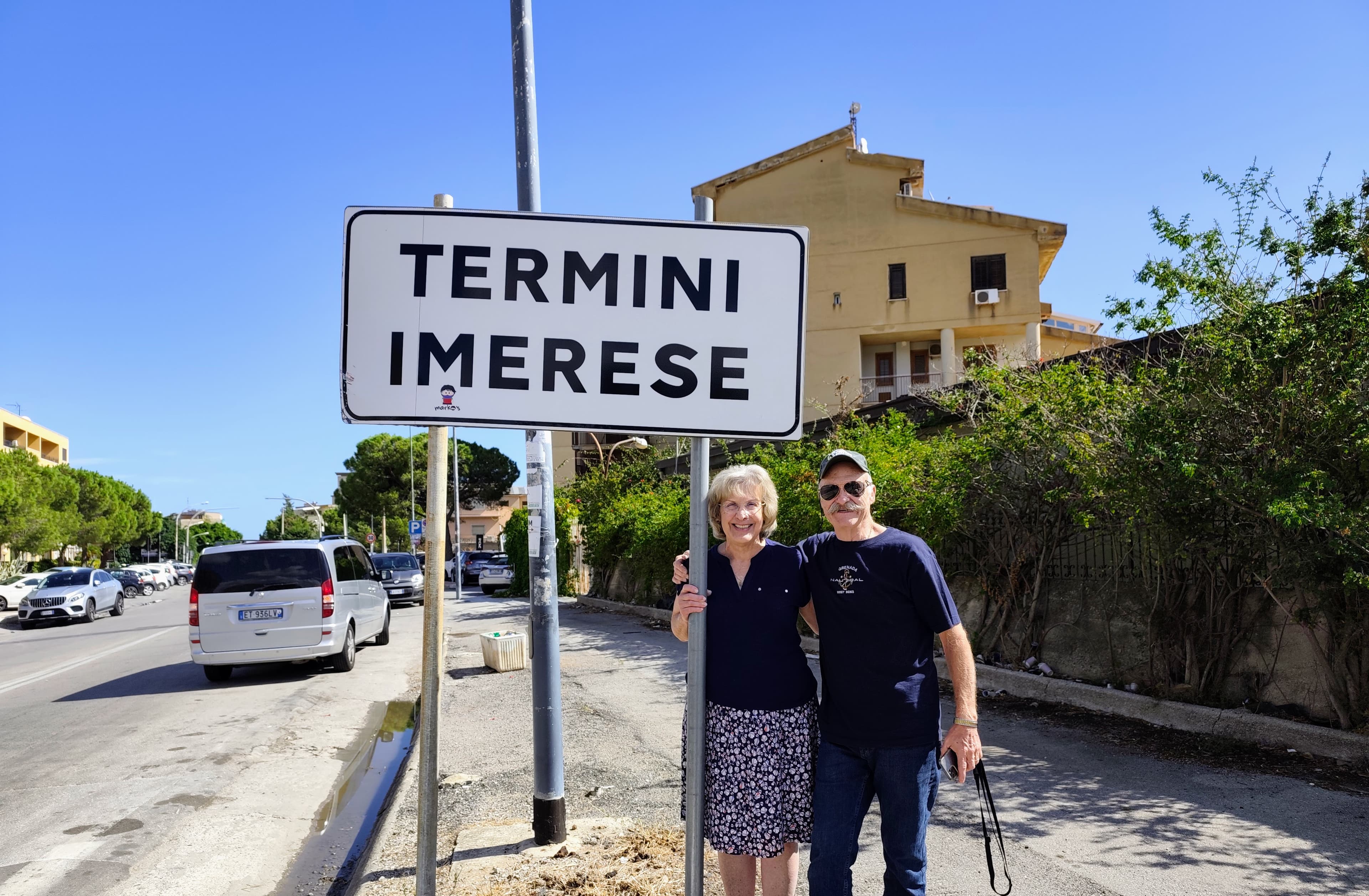
How to Find Italian Birth, Marriage & Death Records in Sicily
How to Find Italian Birth, Marriage & Death Records in Sicily (2026 Guide)
Tracing your Sicilian family history often begins with one important step: finding official Italian records.
Birth certificates, marriage registrations, and death records can reveal generations of family connections and help you uncover the story of your Sicilian ancestors.
In this guide, you’ll learn:
● how Sicilian civil records work,
● where documents are stored,
● how to request records from Sicily,
● and how to overcome common genealogy research challenges.
If you’re just starting your ancestry journey, you may also want to read our guide:
➔ How to Trace Sicilian Ancestors: Complete Beginner’s Guide (2026)
For travelers interested in reconnecting with their roots through a personalized heritage experience, explore:
➔ Sicily Genealogy Tour: A Real Family Heritage Journey Through Sicily
Understanding Italian Civil Records in Sicily
Italian civil records are known as “Stato Civile” records.
These official documents generally include:
births (nati),
marriages (matrimoni),
deaths (morti).
In many Sicilian towns, civil registration began in the early 1800s, although exact dates vary depending on the area and historical period.
These records are extremely valuable because they often contain:
● parents’ names,
●occupations,
●addresses,
● ages,
● and family relationships across generations.
For many people researching Sicilian ancestry, civil records become the foundation of their family tree.
The Main Types of Sicilian Genealogy Records
Birth Records (Atti di Nascita)
● Birth records usually include:
● child’s full name,
● date and place of birth,
● parents’ names,
● father’s occupation,
● family residence.
Some later records may also include marriage annotations added years afterward.
Marriage Records (Atti di Matrimonio)
Marriage records can reveal:
● names of both spouses,
● parents’ names,
● occupations,
● ages,
● previous marriages,
● supporting family documents.
These records are especially useful for connecting different branches of a family.
Death Records (Atti di Morte)
● age at death,
● birthplace,
● spouse’s name,
● parents’ names,
● profession and residence.
They often help confirm relationships discovered through earlier birth or marriage documents.
Where Sicilian Records Are Kept
Local Town Halls (Comune)
Most recent civil records are kept by the local comune (municipality).
If you already know your ancestor’s hometown, contacting the town hall is often the best place to start.
If you are still trying to identify your family’s Sicilian origins, our guide:
➔ How to Trace Sicilian Ancestors: Complete Beginner’s Guide (2026)
explains how immigration records, passenger manifests, and family documents can help uncover ancestral towns in Sicily.
Many small Sicilian towns still preserve handwritten records dating back generations.
When requesting documents, it helps to provide:
● full names,
● approximate dates,
● parents’ names,
● and any known family details.
Some municipalities accept email requests, while others may require written correspondence in Italian.
State Archives (Archivio di Stato)
Older records are often transferred to provincial state archives.
Major archives in Sicily include:
⦿ Palermo
⦿ Messina
⦿ Catania
⦿ Siracusa
⦿ Agrigento
These archives may also contain:
⦿ military records,
⦿ census documents,
⦿ emigration records,
⦿ notarial archives,
⦿ historical family documents.
Parish & Church Records
Before civil registration became standardized, churches preserved many important family records.
Parish archives may include:
● baptisms,
● marriages,
● burial records,
● confirmations.
In some Sicilian towns, church records can trace families back to the 1700s or earlier.
These archives are especially valuable when civil documents are incomplete or unavailable.
One of the biggest challenges in Sicilian genealogy research is reading old handwritten documents.
Historical records often include:
● cursive handwriting,
● formal Italian terminology,
● Latin religious expressions,
● spelling variations.
● Some common terms include:
● nato = born
● morto = deceased
● sposato = married
● figlio di = son of
● figlia di = daughter of
Learning a few recurring Italian words can make historical records much easier to understand.
Civil Records vs Church Records in Sicily
Civil and church records often complement each other during genealogy research.
Civil Records
Usually available from the 1800s onward and managed by municipalities.
Church Records
Often older and may preserve family history unavailable elsewhere.
Together, these records help researchers build a more complete picture of Sicilian family history.
What to Do If Records Are Missing
Not all Sicilian records survived intact.
Some documents may be:
● damaged,
● incomplete,
● unavailable online,
● or difficult to access.
When records are missing, alternative sources may help:
● military draft records,
● passenger manifests,
● cemetery inscriptions,
● immigration documents,
● oral family history.
Successful Sicilian genealogy research often requires combining many small clues over time.
Visiting Sicily to Continue Your Family Research
Online research is only one part of the journey.
Many people eventually travel to Sicily to:
● explore ancestral towns,
● access local archives,
● visit churches and cemeteries,
● meet distant relatives,
● and experience the places their families once called home.
Walking through the streets where your ancestors lived can become one of the most meaningful parts of discovering your family heritage.
Our article:
➔ Sicily Genealogy Tour: A Real Family Heritage Journey Through Sicily
explains how ancestry-focused travel in Sicily can help families reconnect with their roots through local experiences, historical research, and personalized heritage journeys.
Final Thoughts
Finding Italian birth, marriage, and death records in Sicily takes patience, curiosity, and persistence, but every document helps rebuild part of your family story.
Whether your ancestors came from a small mountain village or a coastal Sicilian town, these records can open the door to reconnecting with your roots and preserving your family history for future generations.
For more genealogy research tips, read:
➔ How to Trace Sicilian Ancestors: Complete Beginner’s Guide (2026)
If you’re interested in turning your research into a meaningful heritage experience, discover:
➔ Sicily Genealogy Tour: A Real Family Heritage Journey Through Sicily
FAQ
Are Sicilian birth records available online?
Some Sicilian records are available online through genealogy databases and digitized archives, although availability varies by province and municipality.
How far back do Sicilian records go?
Many civil records begin in the early 1800s, while some church archives can trace families back to the 1700s or earlier.
What if I don’t know my ancestors’ Sicilian town?
Start with immigration documents, census records, naturalization papers, and conversations with relatives. Passenger manifests often contain hometown information.
Are Sicilian genealogy records written in Italian?
Yes. Most historical records are handwritten in Italian, and older church documents may also include Latin terms.
Can I visit Sicilian archives in person?
Yes. Many state archives, municipalities, and churches allow in-person genealogy research, although procedures vary depending on the location.
Ready to discover Sicily?
Turn inspiration into reality. Explore our curated private tours or build a custom itinerary matching your interests.